

Beyond the Passport Ranking: Five Questions for Choosing Citizenship by Investment in the Caribbean
News originally published by
EIN Presswire
Bayat Group, Trusted since 1993, Providing Residency & Citizenship Solutions Worldwide
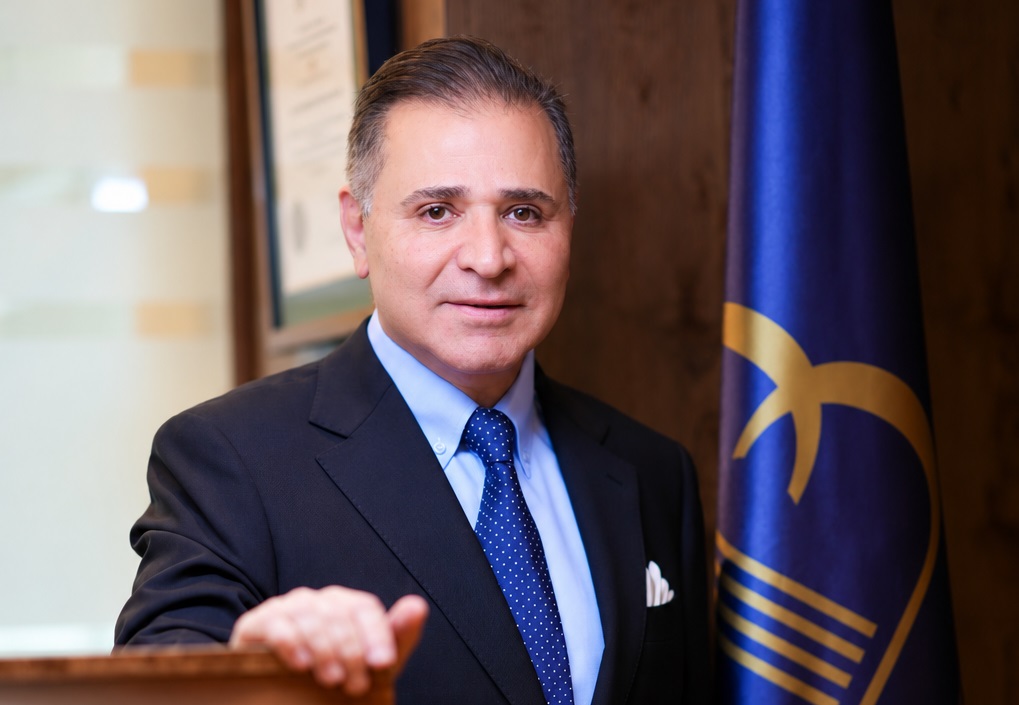
Sam M. Bayat, Esq. Founder and Managing Director of Bayat Group
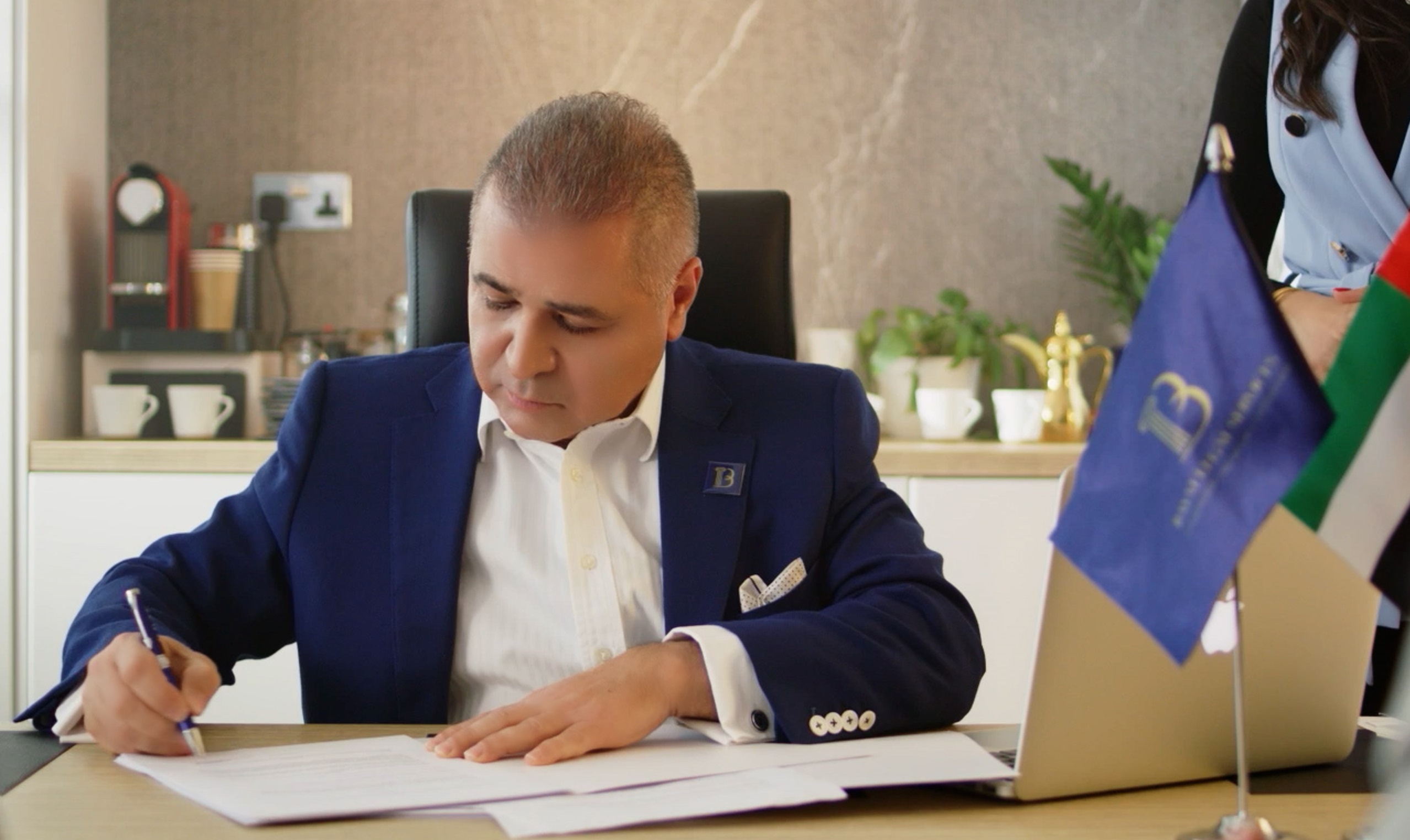
Sam Bayat - Over three decades of licensed practice and trusted guidance in global investment migration.
Caribbean CBI countries are harmonizing their programs. Sam Bayat, Bayat Group founder, explains what still differs, with Grenada as a worked example.
Consider a family of four with a trading business, holding passports that need a visa for most places they travel. They collect five quotations, one from each Caribbean CBI country. Prices and destination counts are close, so the choice looks like picking the cheapest.
"It isn't that simple," said Sam Bayat, Esq., founder and managing director of Bayat Group. "The question the family actually faces is not 'which passport scores highest today?' It is 'which citizenship will still be useful to us in ten years, and for what?'"
What a ranking cannot show
A destination count measures one thing: how many governments currently let holders of a passport visit without a visa in advance. It is a reading of rules that other governments set, and they can change. The United Kingdom introduced visit visa requirements for nationals of Dominica in July 2023 and for nationals of Saint Lucia in March 2026. The UK did not alter anyone’s citizenship, but every holder of those passports must now apply for a visa before travelling, regardless of how the passport was obtained.
Bayat Group points families to five questions passport rankings cannot answer. Will anyone in the family actually live there? Who does the household include, given that fees often apply per person? What happens at home, since some countries restrict dual nationality? What is the family investing in, a non-refundable contribution or a real estate asset with holding costs and resale restrictions? And which benefits are conditional on further applications or requirements?
Grenada as a worked example
Grenada shows how these questions play out, though it does not suit every family.
Grenadian nationals currently fall within the UK's Electronic Travel Authorisation scheme rather than the visit visa system, as do nationals of Antigua and Barbuda and of Saint Kitts and Nevis. That is a present arrangement, not a guarantee of admission or of future policy.
Grenada also appears on the U.S. State Department's E-2 treaty list. The other four Caribbean CBI countries do not. The treaty can make a Grenadian national eligible to apply for an E-2 visa to develop and direct a substantial investment in a U.S. enterprise, but the condition matters as much as the benefit. A person who acquired treaty nationality through a financial investment and who has not previously held E status must have been domiciled in that country for a continuous period of at least three years before applying. Holding the passport for three years does not meet that test. "Domicile" means where a person genuinely lives. Grenadian citizenship is not a U.S. visa, and it is not a route to a green card.
"For an entrepreneur with U.S. plans, the questions 'could we live in Grenada?' and 'could we use the treaty?' cannot be separated," Bayat said.
On cost, Grenada's program lists a National Transformation Fund contribution of US$235,000 (for a family of four), or an approved real estate investment of US$270,000 (shared) or US$350,000 (sole), with further government fees. Due diligence, processing, and interview fees are also charged.
Grenada has also adopted a short minimum-presence requirement for new citizens: 30 days in total during the first five years after citizenship is granted. The rule will take effect only once the regional regulator is operational and all five Caribbean CBI programs share a common start date.
When the rules change
Developments in Europe add another layer. In late 2025 the European Union revised its visa suspension mechanism, adding the grant of citizenship by investment without a genuine link to the country as a ground for suspending visa-free access. The European Commission has since asked the Caribbean CBI states to phase out their programs by June 1, 2028. Antigua and Barbuda's prime minister has said his government is proposing a counter-framework extending through 2030, which has not been approved. A response to the Commission is expected by November 12, and the Commission's next report on the mechanism is due in December 2026.
Bayat Group's advice is not to guess. Test each option against two questions: what would this citizenship still do for the family if visa-free access to Europe were withdrawn, and what would change if the program closed to new applicants?
"A second citizenship is a long-term legal relationship with a country. It is not a product to be selected by score," Bayat said. "The sound way to choose is to start from the family's objectives, test each option against the conditions attached to its benefits, and price the exact household rather than the minimum."
About Bayat Group
Bayat Group is a UAE-based law firm founded by Sam Bayat in 1993, specializing in residency, citizenship, investment migration, and cross-border legal matters. It is headquartered in Dubai, with offices and partners worldwide.
Bayat Group helps families and business owners work through that assessment before any commitment is made. A first conversation covers what the family wants the citizenship to do, which nationalities its members already hold, and how they expect to use it. The dedicated team then discusses fit, including whether Grenada, another program, or a different route altogether best serves the wider global mobility architecture.
Inquiries can be made at bayatgroup.com.
Paimun Mohyeddin
Bayat Group
+971 50 624 4646
Visit us on social media:
LinkedIn
Instagram
Facebook
YouTube
X
Other
Why You Need a Second Passport? | Sam M. Bayat, Esq. | YouTube Global Mobility Series
Legal Disclaimer:
EIN Presswire provides this news content "as is" without warranty of any kind. We do not accept any responsibility or liability for the accuracy, content, images, videos, licenses, completeness, legality, or reliability of the information contained in this article. If you have any complaints or copyright issues related to this article, kindly contact the author above.
